Core challenge
Take a participant from “what marketing is” to the ability to understand a task, work with tools and assemble an integrated solution.
Selected project · 2022
How to turn a list of curriculum topics into a practice-led learning system with only a few days before the first class.
Project scale
Context and challenge
Participants needed to move from first principles to research, analytics, creative work and modern communications within one connected programme.
Many participants entered with little or no prior marketing training, while the curriculum covered a wide professional field.
The programme therefore needed a learning architecture rather than a sequence of isolated lectures: theory had to lead directly into practice and a final integrated solution.
Core challenge
Take a participant from “what marketing is” to the ability to understand a task, work with tools and assemble an integrated solution.
My role
The curriculum was fixed, but the teaching content, exercises and role formats had to be designed from the ground up.
Public scope
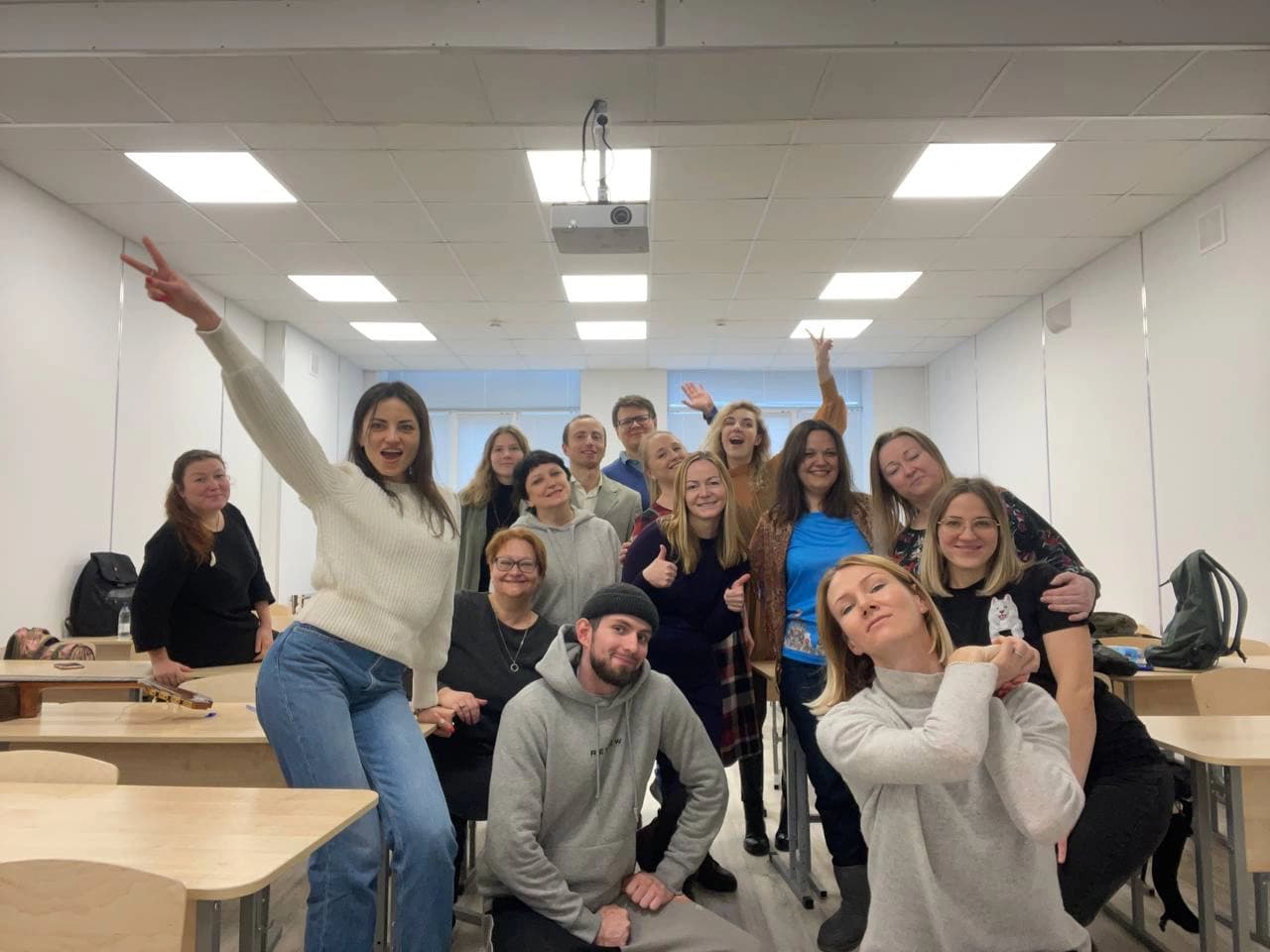
In 2022, two consecutive cohorts received 250 hours of in-person teaching each — 500 hours in total.
The programme was delivered by Synergy University within the federal Employment Promotion project.
Practice included role formats, briefs, changing inputs, debriefs and a final integrated team project.
Approach
Practice was built around roles, changing conditions and interactions from a real professional environment.
01
Teams framed, questioned and defended a marketing solution.
02
Participants tested different perspectives and method limitations.
03
New constraints forced teams to rebuild work already in progress.
04
Participants learned both to present and to test the logic of ideas.
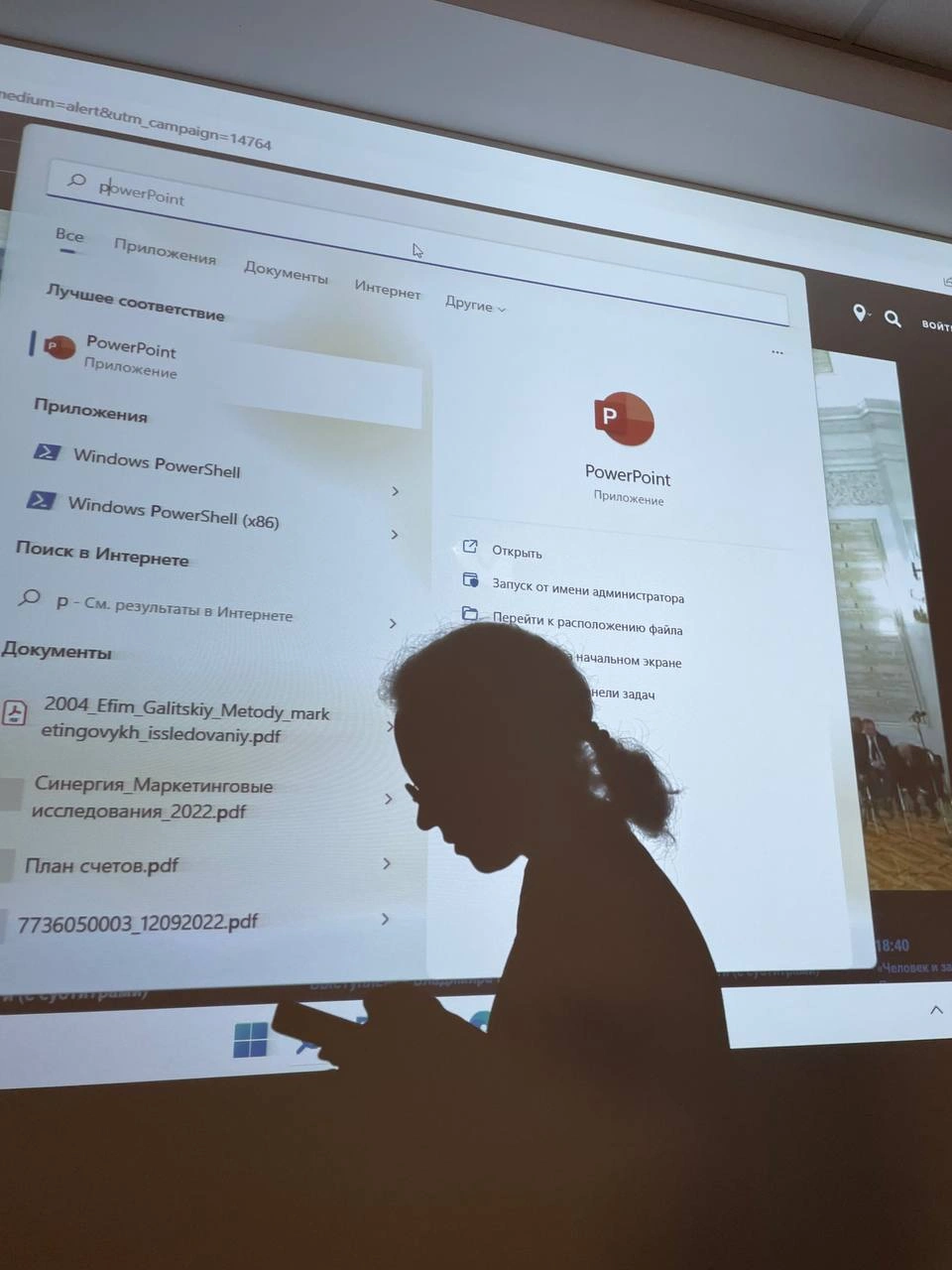
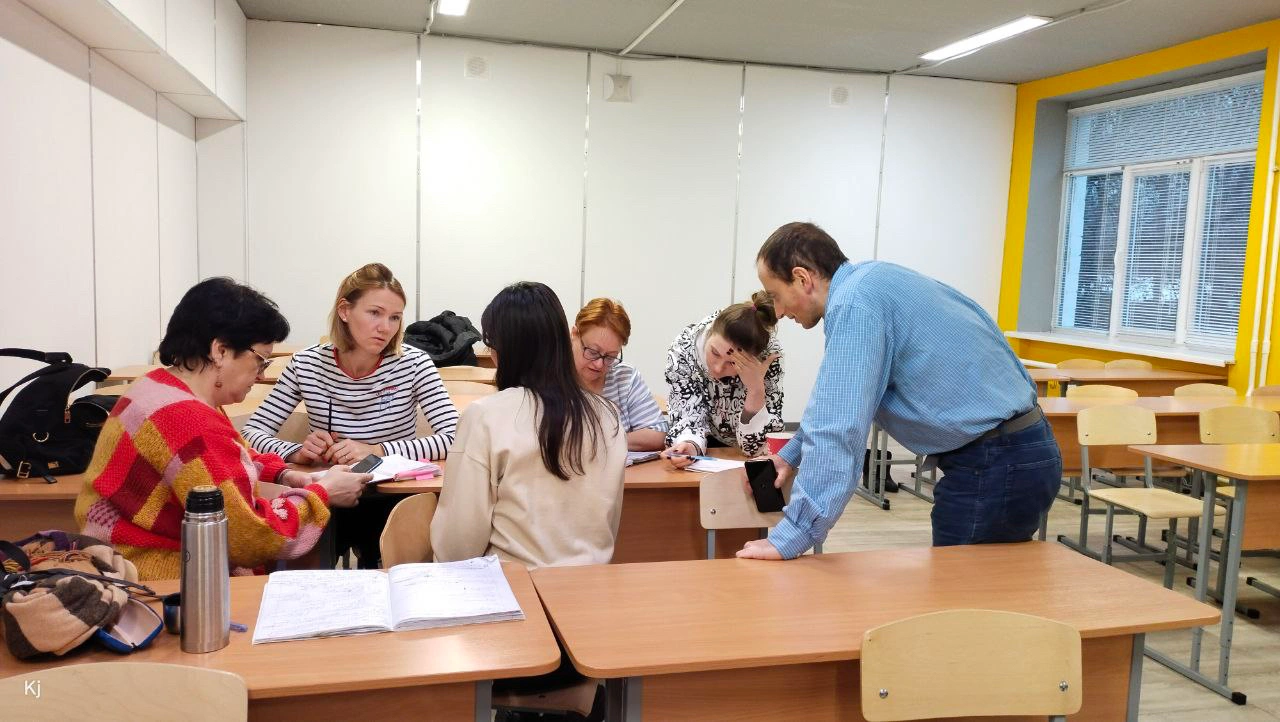
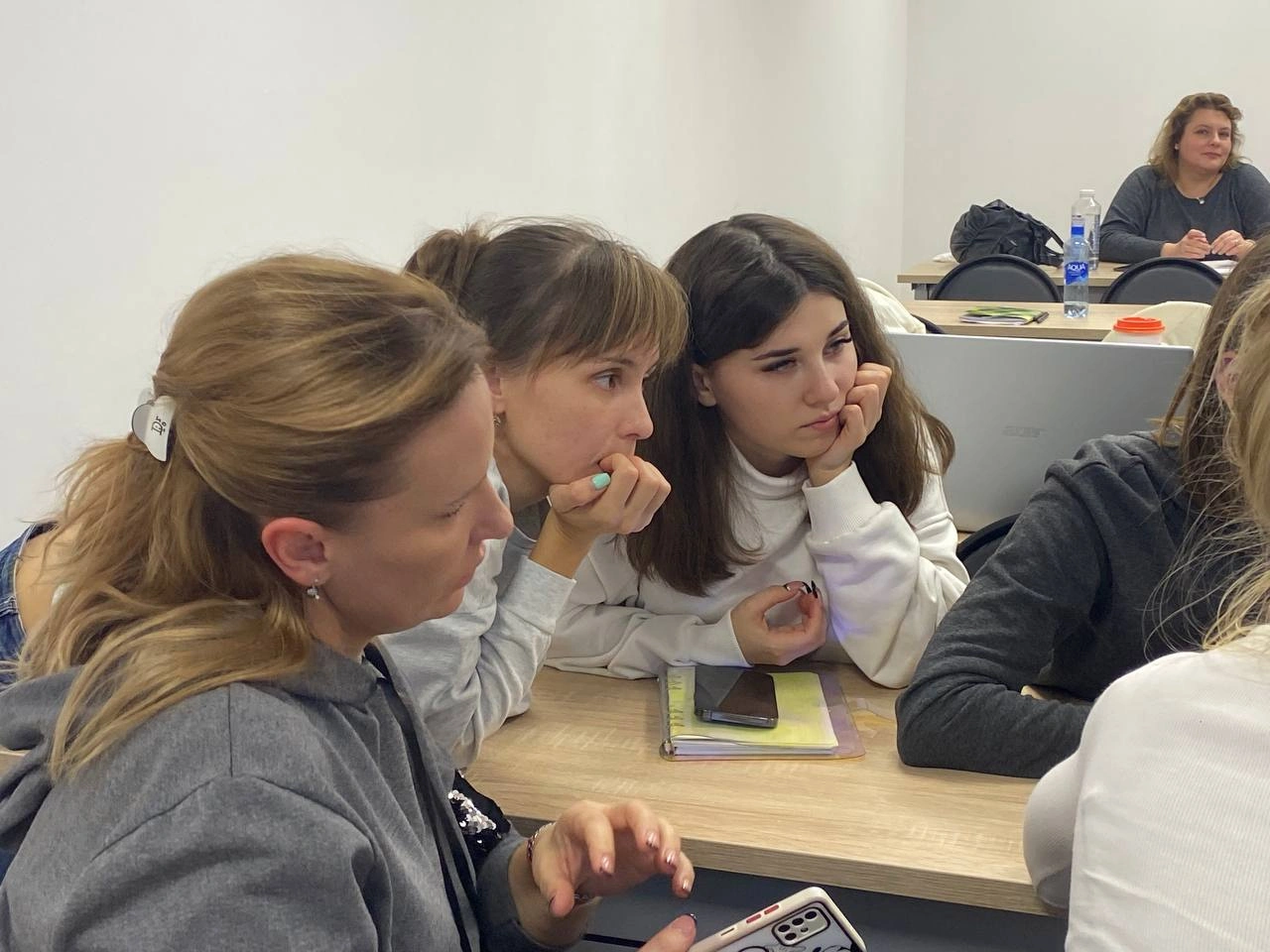
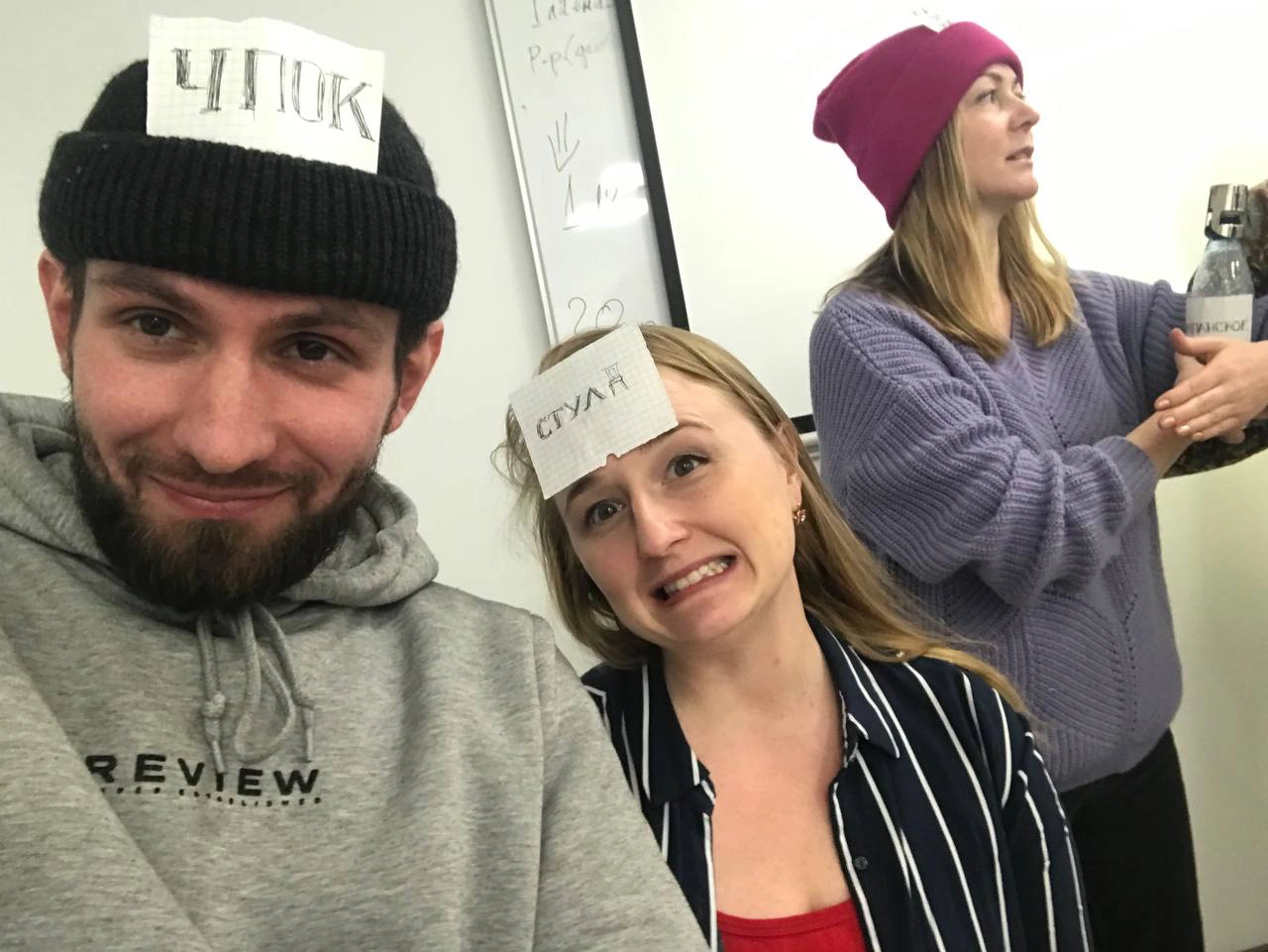
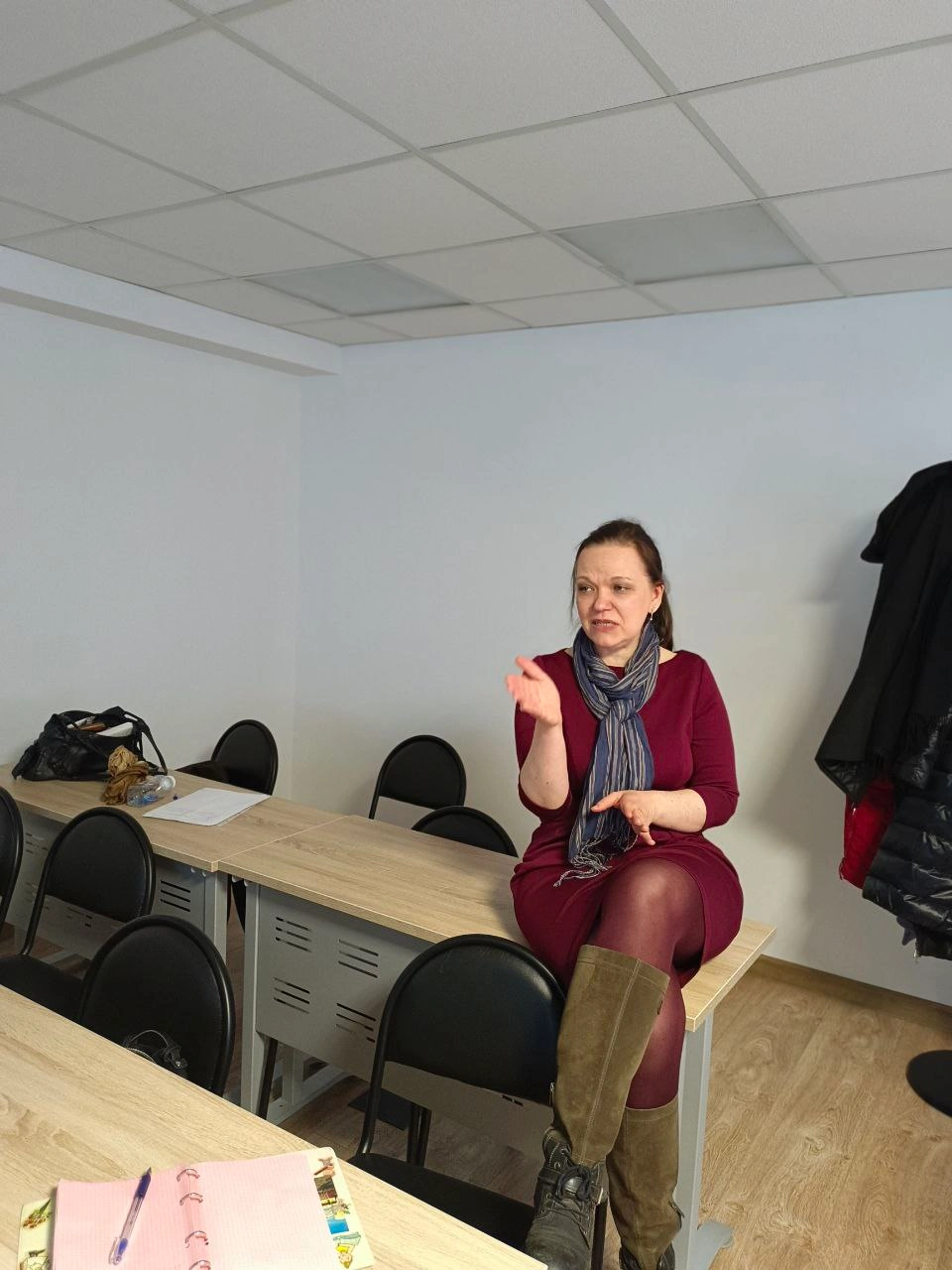
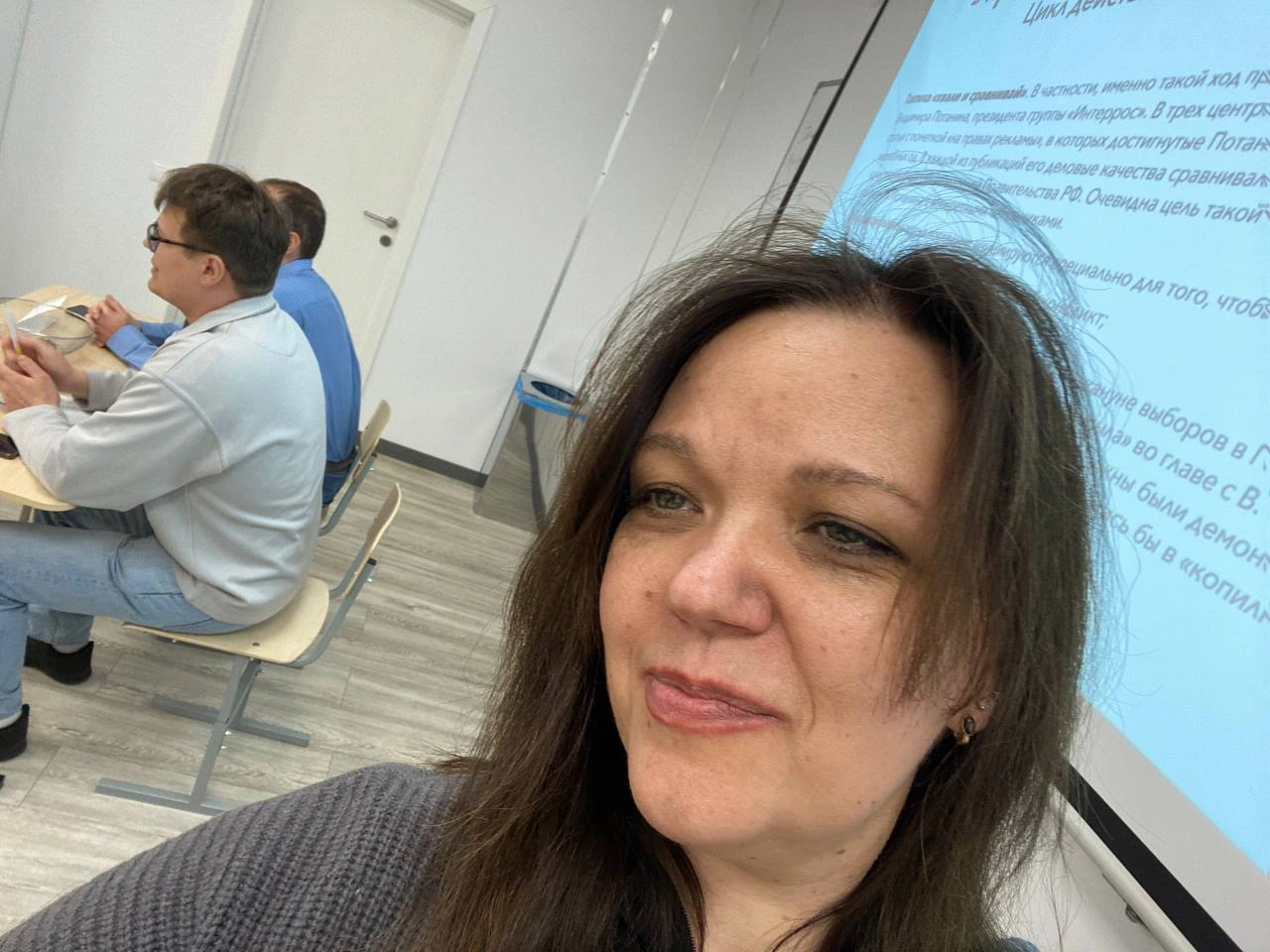
The practical work modelled real professional situations. Participants learned to:
Programme design and delivery partly ran in parallel, so exercises were refined in response to each cohort’s pace and difficulties.
Related expertise